Quick answer — explain a CAC spike to your board
Explain a sudden CAC spike by separating the math from the story: define the CAC formula and period, confirm spend and new-customer counts, isolate the driver, show the evidence, name uncertainty, state the corrective action, and give the recovery metric the board should watch next. Do not blame "marketing got expensive" until lag, channel mix, conversion rate, attribution, low volume, discounts, and customer quality have been checked.
A sudden Customer Acquisition Cost spike can turn a normal board update into a defensive meeting.
The wrong answer is "paid got expensive" with three charts and a shrug. CAC is a ratio. If it moved, either acquisition spend changed, new customer volume changed, the timing between the two changed, or the measurement layer changed. Sometimes all four are involved.
The board does not need a dashboard tour. It needs a clear explanation of what changed, what evidence supports your read, what is still uncertain, what action you are taking, and which metric will confirm recovery.
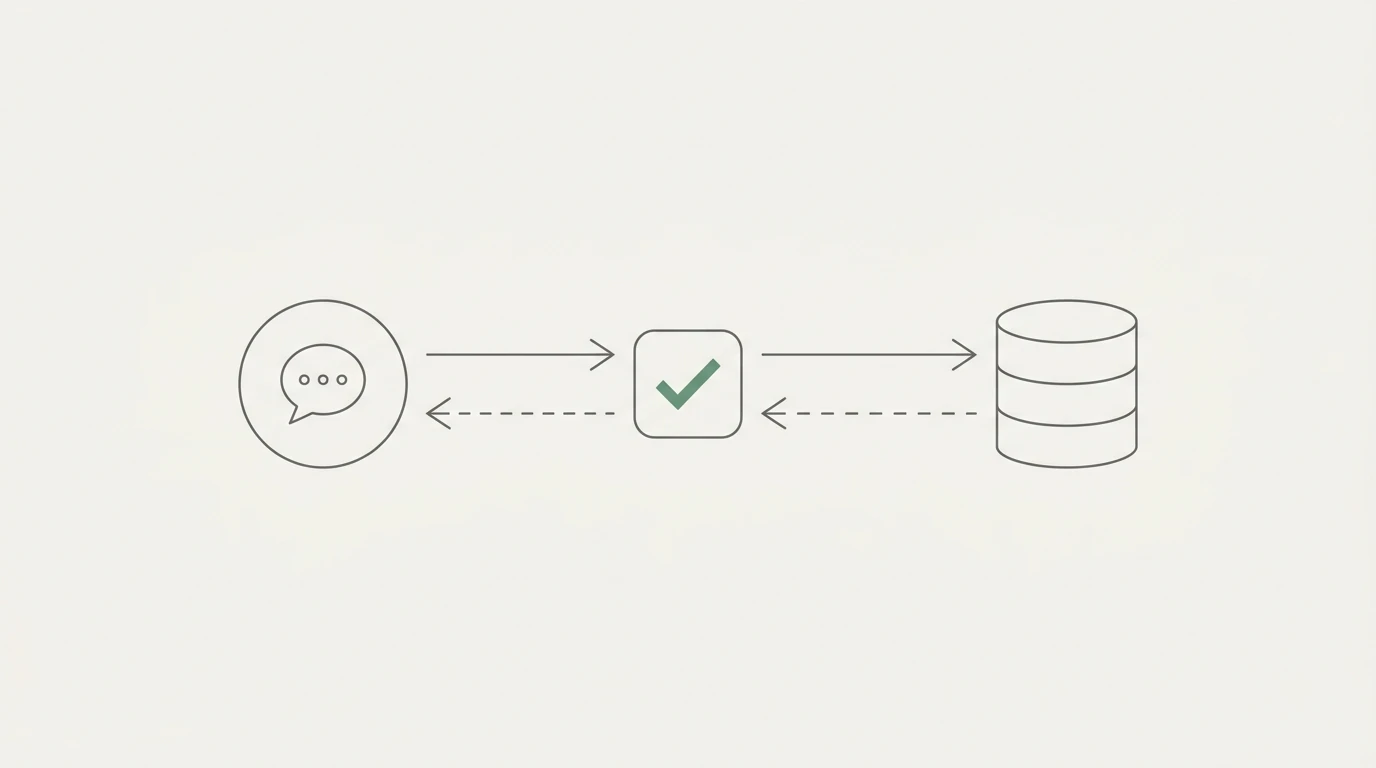
That is the job of a CAC spike explanation: turn panic into a source-backed operating narrative.
Why a CAC Spike Needs a Board-Safe Explanation
Boards care about CAC because it connects growth to capital efficiency. A spike can imply that your acquisition model is getting weaker, that a channel is saturating, that sales cycles are stretching, or that the business is buying the wrong customers.
But a CAC spike is not automatically a marketing failure. It can also be a timing problem, a reporting lag, a denominator issue, a planned channel mix shift, a conversion tracking change, or a promotion that changed the quality of the customers you acquired.
That is why the board-safe answer should not start with a conclusion. It should start with the math.
A weak explanation sounds like this:
CAC was up because ads are more competitive.
A stronger explanation sounds like this:
CAC was up because fully loaded acquisition spend landed in the period before the related customers closed. Paid pipeline creation was stable, but new customer closes lagged the spend window. We are rerunning CAC after the conversion and sales-cycle window matures, and the recovery metric is closed-won customers from the same spend cohort.
The second answer does not pretend certainty. It names the formula, the likely driver, the evidence, the uncertainty, the action, and the recovery metric.
Start With the CAC Math Before the Narrative
Customer Acquisition Cost is acquisition spend divided by new customers over a defined period.
NetSuite's CAC definition describes CAC as the total expense a business incurs to acquire a single new customer, calculated by dividing total sales and marketing costs over a period by the number of new customers gained during the same period.
Before you explain the spike, lock the definition:
- What costs are included in acquisition spend?
- Are you using ad spend only, or fully loaded sales and marketing expense?
- Are commissions, agency fees, software, overhead, and promotional costs included?
- What counts as a new customer?
- Are trials, free users, paid pilots, refunds, reactivations, or expansion customers included?
- Which date window and timezone are being used?
- Should the spend period be lagged to match the sales cycle?
That last point matters. NetSuite notes that companies with longer sales cycles may need to adjust timing so expenses match the customers they actually helped acquire. The SaaS Metrics Board CAC payback definition makes the same point for payback calculations: sales and marketing expense should account for the sales-cycle length that precedes new ARR.
If you compare this month's spend to this month's closes without considering how long customers take to convert, the ratio can look worse than the underlying acquisition engine.
Do not solve that by inventing a universal healthy number. CAC only becomes meaningful against your model: customer quality, gross margin, retention, payback, contract value, and the period you are measuring. A board will trust your explanation more if you avoid generic thresholds and show the specific operating logic behind your number.
Use This CAC Spike Explanation Framework
Use this six-part structure before you write the board slide:
- What happened: State the CAC direction, period, and formula. Keep it definition-specific.
- Likely driver: Name the leading explanation, such as spend timing, channel mix, conversion-rate drop, sales-cycle lag, denominator change, or tracking change.
- Evidence: Show the specific source data that supports the explanation.
- Uncertainty: Say what is still provisional, incomplete, delayed, or under review.
- Action: Explain what you are pausing, reallocating, repairing, testing, or monitoring.
- Recovery metric: Define the metric that will prove the issue is improving.
The recovery metric matters because CAC itself is often a lagging ratio. Depending on the driver, the next useful metric may be lead-to-customer conversion rate, closed-won customers from a spend cohort, CAC by channel, payback period, qualified pipeline creation, trial-to-paid conversion, gross margin, or retained revenue from new customers. To see how much recurring revenue customers keep, the guide to customer churn analysis works customer and revenue churn on a sample file.
The board does not need every intermediate chart. It needs your logic to be verifiable.
CAC Spike Driver Matrix: What to Check Before the Board Meeting
Use this matrix before you settle on the story. It keeps the explanation tied to evidence instead of instinct.
| CAC spike driver |
Data to inspect |
Evidence to gather |
Board-safe wording |
| Spend arrived before conversions closed |
Ad spend exports, campaign pacing, CRM close dates, conversion lag reports |
Google Ads says conversion lag can make recent CPA look inflated because spend is reported before delayed conversions arrive |
"CAC is temporarily elevated because spend is fully visible while related conversions and closes are still maturing. We are tracking the same spend cohort through the conversion window." |
| Channel mix shifted |
Spend by channel, new customers by channel, customer quality by channel |
A larger share of spend moved into a higher-cost channel or a channel with longer conversion lag |
"The blended CAC increase is driven by mix. We are separating CAC by channel before treating it as a whole-funnel efficiency problem." |
| Campaign mix changed inside a channel |
Campaign exports, campaign objective, audience, landing page, offer |
Budget moved from direct response into awareness, expansion, enterprise, or a new audience test |
"The increase is concentrated in the campaign mix change, not across all acquisition. We are measuring whether the new campaign is creating qualified downstream demand." |
| Conversion rate dropped after traffic arrived |
GA4 conversion events, landing page funnel, checkout/signup funnel, experiment log |
Traffic or spend held up, but visitor-to-lead, lead-to-trial, or trial-to-paid conversion fell |
"The CAC movement is denominator-driven: acquisition volume did not convert at the usual rate. The action is focused on the affected funnel step." |
| Sales cycle lengthened |
CRM stage dates, opportunity aging, closed-won timing, customer cohort |
Pipeline exists, but customers closed later than the spend period |
"The spend-to-customer timing shifted. We are matching acquisition expense to the sales-cycle window before calling it a permanent CAC increase." |
| Attribution or conversion tracking changed |
Conversion actions, attribution model, lookback window, tag changes, UTM changes, GA4 settings |
Google Ads attribution reports and attribution models show how conversion credit can change across the journey |
"Part of the CAC movement is measurement-driven. We changed how conversions are credited, so we are comparing both the old and current definitions before changing budget." |
| New-customer denominator changed or volume is low |
Customer table, billing records, trial-to-paid rules, refund/cancellation handling |
New customer count changed because of definition, timing, exclusion rules, or small sample size |
"The ratio is sensitive this period because the denominator is small or defined differently. We are showing CAC with the customer-count definition visible." |
| Promotion or discounting changed customer quality |
Discount table, plan/tier, gross margin, payback, retention/cohort quality |
Promotions changed the customers acquired, the gross margin, or the payback picture |
"CAC alone does not answer whether the period was good or bad. We are pairing CAC with payback and customer quality before deciding whether to repeat the offer." |
| Recent data is incomplete |
Google Ads freshness, GA4 freshness, export timestamp, recent reporting window |
Google Ads data freshness is not instant, conversions may arrive late, and GA4 processing can take 24-48 hours |
"The newest period is not final. We are labeling the CAC read as provisional and rerunning it after platform freshness and conversion lag settle." |
Notice what the matrix does not do: it does not turn every spike into a crisis. It tells you where the ratio moved and what evidence belongs in the board narrative.
What Data You Need Before You Write the Board Slide
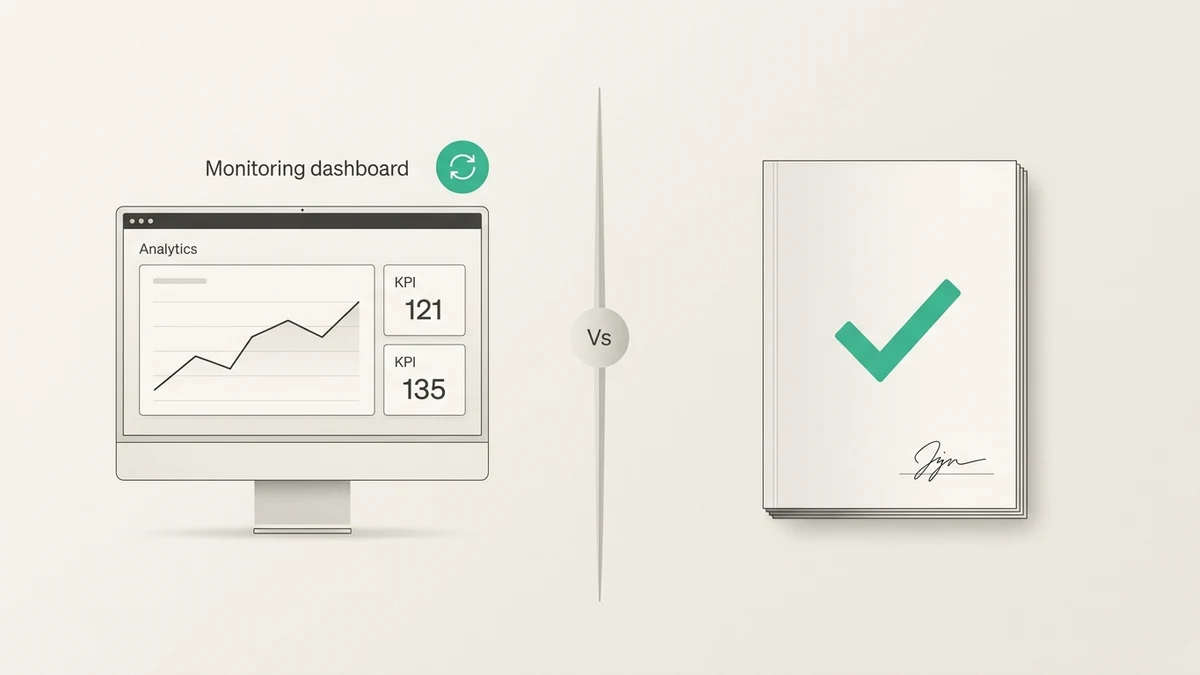
You cannot explain CAC from one marketing KPI dashboard unless that dashboard already contains the spend, customer, attribution, and finance definitions behind the metric.
Before writing the board slide, gather:
- Ad platform exports for spend, campaign status, clicks, impressions, and conversion actions. If the spike traces to a few campaigns, run a campaign performance analysis on the same exports first.
- GA4 reports, GA4 BigQuery export, or GA4 API data where the web conversion path matters.
- CRM or customer data with lead date, opportunity date, close date, source, owner, and customer status.
- Billing or revenue data for new customers, plan or tier, discounts, refunds, gross margin, and retained revenue.
- Finance expense categories for fully loaded sales and marketing costs.
- Campaign calendar, promotion calendar, pricing change log, launch history, and tracking change log.
- Google Sheets or warehouse tables where the team already maintains business definitions.
If you are using GA4 in the analysis, be careful with freshness and surface differences. Google's GA4 data freshness documentation says processing can take 24-48 hours and reports can change during that window. Google's Data API reporting expectations also explains why API, UI, and export numbers can differ: sampling, aggregation, HLL++ approximations for unique counts, thresholding, (other) rows, reporting identity, query specificity, and freshness.
For Google Ads data, the same caution applies. Google says performance data is not available instantly, and metrics may update after the event because of late-arriving conversions, invalid traffic adjustments, or billing changes. Its conversion window documentation explains that the selected window controls how long after an ad interaction a conversion can be recorded.
That does not mean you cannot answer quickly. It means you should label fresh data correctly.
For related GA4 workflow checks, keep the GA4 traffic-drop workflow, the Organic Search versus medium=organic guide, and the GA4-to-Excel export safety checklist nearby.
Where Anomaly AI Fits
CAC spike analysis usually breaks because the evidence lives in too many places: ad exports, GA4, CRM, billing, finance, campaign calendars, and spreadsheet definitions.
Anomaly AI is an AI analyst workspace for board-ready marketing finance analysis, turning messy evidence into verifiable outputs. You can work with supported sources such as GA4 through the GA4 API or BigQuery export, BigQuery, Google Sheets, and Excel files such as .xlsx, .xls, and .csv up to 1GB. You can also bring in uploaded/exported business data from ad platforms, CRM systems, finance files, and adjacent reporting workflows.
The useful part is not a magical root-cause claim. The useful part is keeping the CAC logic visible.
For a CAC board update, Anomaly can help you:
- combine spend, customer, GA4, spreadsheet, and warehouse data into one analysis workflow
- define the CAC numerator, denominator, period, and business rules
- create a driver matrix based on your actual data
- review the logic and calculations before sharing
- turn the result into interactive dashboards, refreshable reports, source-backed summaries, or scheduled reporting workflows
That is different from saying the tool proves the cause by itself. A board-ready CAC explanation still needs judgment. Anomaly helps make the source data, assumptions, calculations, and outputs traceable enough for a founder or marketing leader to defend.
For source-specific workflows, see GA4 data analysis, BigQuery data analysis, Excel data analysis, Google Sheets data analysis, and the full connector overview.
Board-Ready CAC Narrative Template
Use placeholders in the slide. Do not invent precision the data does not support.
CAC was [up/down] in [period] using this definition:
[sales and marketing acquisition spend included] / [new customers counted].

Likely driver:
[driver from the matrix].

Evidence:
- Spend/customer data: [what changed]
- Funnel or CRM data: [what supports the explanation]
- Tracking or freshness check: [what was ruled out or remains provisional]

Uncertainty:
[what data is still maturing, incomplete, or under review].

Action:
[budget change, landing-page fix, tracking review, offer change, sales-cycle follow-up, or reporting-definition fix].

Recovery metric:
[metric the board should watch next: conversion rate, qualified pipeline, closed-won customers from the spend cohort, CAC by channel, payback, customer quality, or retained revenue].
The goal is not to make the slide sound calm. The goal is to make it auditable.
FAQ
What is the first thing to check when CAC suddenly spikes?
Check the formula before the dashboard. Confirm which acquisition costs are included, which customers count in the denominator, what period is being measured, and whether spend should be lagged to match the sales cycle. If the formula changed, the spike may be definitional.
How do I explain CAC to a board?
Define CAC as acquisition spend divided by new customers over a defined period, then explain what changed in that ratio. A board-safe answer should include the likely driver, evidence, uncertainty, action, and recovery metric. Avoid outside targets unless they are your own agreed internal operating targets.
How do I know whether a CAC spike is real or timing noise?
Check conversion lag, data freshness, and sales-cycle timing. Google Ads notes that spend can be visible before delayed conversions arrive, which can make recent CPA look inflated. GA4 data can also change during its processing window. If the period is too fresh, label the read provisional.
Should I include CAC payback in the board update?
Yes, when it helps explain customer quality. CAC alone says what acquisition cost. Payback helps show how long gross profit from new customers takes to recover that acquisition investment. Use your own margin, revenue, and retention context rather than generic thresholds.
Can attribution changes make CAC look worse?
Yes. Attribution models and conversion windows affect how conversion credit is assigned. Google Ads documentation explains that last-click and data-driven attribution can allocate conversion credit differently. If attribution changed during the period, compare definitions before treating the CAC movement as a demand problem.
Can Anomaly AI find the exact root cause automatically?
No. Anomaly AI should not be treated as a product that proves the exact cause on its own. It helps you combine the relevant data, define the metric, inspect the generated logic, and turn the analysis into board-ready outputs. The final explanation still needs human review.
Take Control of the CAC Story
Explaining a CAC spike is not about sounding relaxed. It is about proving that you know how your growth engine is measured.
Start with the formula. Separate spend from new-customer volume. Check lag, mix, conversion rate, sales cycle, tracking, denominator, low volume, promotions, and customer quality. Then give the board the driver, the evidence, the uncertainty, the action, and the recovery metric.
If your CAC analysis is spread across exports, Sheets, GA4, CRM data, and finance files, use Anomaly AI to bring the logic into a traceable analysis workspace before the board slide becomes the company narrative.